Waterproofing Terrace

phone iconAPOLODOR BUSINESS CONSTRUCTION

Waterproofing Terase

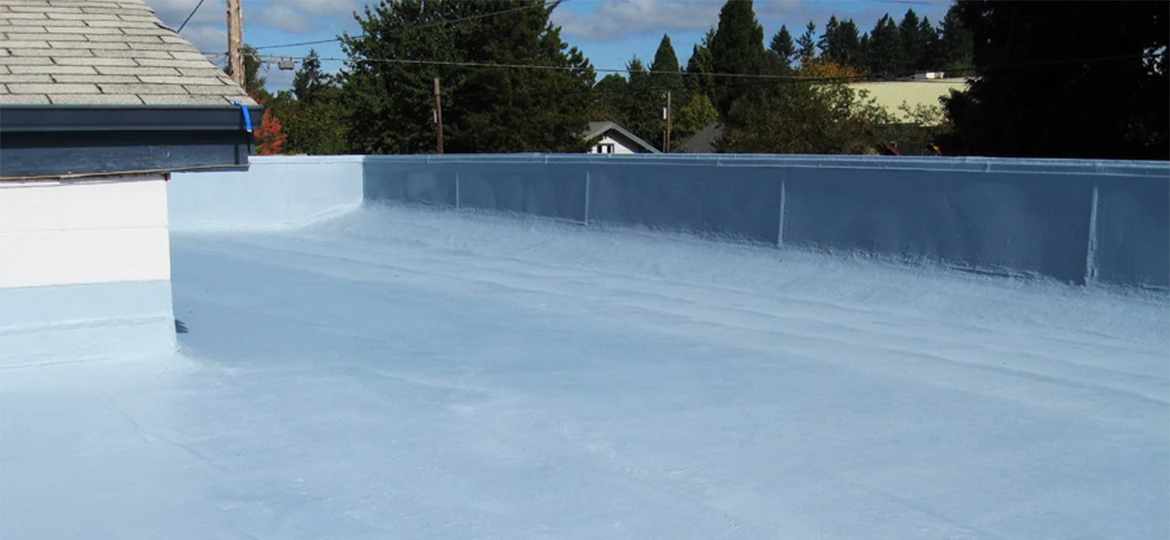
Terraces are an important component of modern buildings, providing both functionality and aesthetics. They can be located on the ground floor, on one of the floors or even on the roof of the building, having various roles depending on their type and purpose. Due to their direct exposure to the weather, the correct waterproofing of terraces is essential to prevent infiltration and ensure durability over time.

service detials
service detials

Depending on the design and intended use, terraces can be of several types: passable or impassable depending on pedestrian access, inverted or normal depending on the waterproofing structure, and green terraces, which bring ecological and aesthetic benefits by integrating vegetation.

For each type of terrace, waterproofing has specific characteristics that influence both their functionality and maintenance, as detailed below:

Waterproofing of trafficable terraces is the option for insulating terraces, which is done on top of the thermal insulation.

For terraces with low traffic, it is recommended to use load-resistant expanded polystyrene thermal insulation boards. The floor finish can provide very good protection for the waterproofing and thermal insulation layers underneath.

The terrace slope is made of concrete or can even be made of thermal insulation material, which is resistant to loads. The advantage of this variant is that it reduces the weight of the assembly and provides increased thermal protection.

Due to the waterproofing's tight layer, which prevents vapor diffusion, it is necessary to lay a diffusion layer under the thermal insulation, which allows the escape of vapors that could infiltrate through the concrete slab.

Waterproofing impassable terraces is the option for insulating terraces, which is done on top of the thermal insulation. It is recommended to use expanded polystyrene for thermal insulation, as extruded polystyrene is much more expensive.

Impassable terraces are the most common type of terrace. They are usually waterproofed with a bituminous membrane protected with sand, gravel or slate granules. These protection methods are used against UV rays.

Waterproofing of impassable terraces can also be done with other types of membranes, other than bituminous ones, PVC, TPO, FPO, EPDM membranes, rubber solutions, reinforced or unreinforced liquid.

Inverted terraces are those terraces where the waterproofing is placed under the thermal insulation material (in this case, it is recommended to use extruded polystyrene).

This type of solution arose due to the need to protect the waterproofing from high loads and is possible due to the fact that extruded polystyrene is unaffected by the presence of water and behaves very well under relatively high loads.

Waterproofing green terraces is a variant of terrace insulation, in which the waterproofing is under thermal insulation.

The green terrace is a waterproofed roof over which topsoil is placed to create a green space.

Green terraces are specifically designed to be self-contained, providing a friendly roofing system that is easy to maintain, ecological and environmentally friendly.

Waterproofing of green terraces can be done with polyurethane, bi-component or bitumen-based liquids.

phone iconAPOLODOR BUSINESS CONSTRUCTION

The process of waterproofing terraces

Terrace waterproofing is a crucial aspect in protecting buildings from water infiltration and moisture damage. A well-structured process, which includes assessment, material selection, correct application and maintenance, is essential to ensure the long-term effectiveness of the waterproofing system. We will explore each step of the waterproofing process in detail, highlighting the importance of surface preparation, selection of appropriate materials and application methods to ensure the best results and effective protection of the terrace.
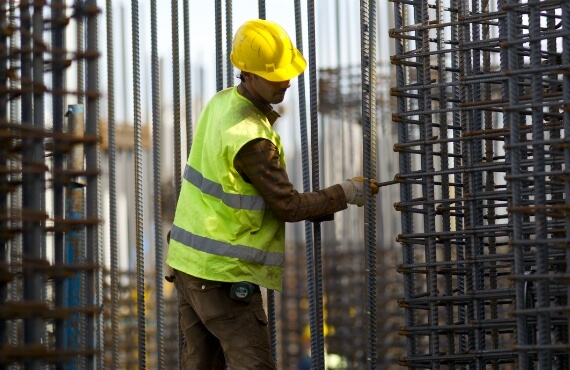

  • Inspection of the Terrace : A detailed check of the current condition of the terrace is required, in order to identify any cracks, unevenness or areas affected by moisture.
  • Surface Cleaning : It is necessary to remove all impurities, such as dust, dirt, plant debris or paint residues. This can be done by washing with water under pressure or using a stiff brush.
  • Necessary Repairs : If cracks or holes are observed, they must be repaired with a suitable repair mortar to ensure a uniform surface.

  • Types of Materials : There is a wide range of waterproofing materials, including bituminous membranes, PVC membranes, polyurethane or cement-based waterproofing systems. It is recommended to select the appropriate material depending on the specifications of the terrace, the climatic conditions and the available budget.
  • Compatibility with Terrace Type : It is essential that the material chosen is compatible with the type of terrace (passable, non-passable or green).

  • Application of Membranes : Membranes should be laid according to the manufacturer's instructions. They are generally applied by gluing or hot welding, ensuring that all joints are well sealed.
  • Liquid Waterproofing : When using a liquid waterproofing system, the layer should be applied evenly, taking care to cover all corners and edges. It is recommended to apply two or more layers for increased protection.
  • Leakage Check : After applying the waterproofing, it is essential to verify the tightness of the layer through water tests.

  • Coating with Protective Layers : In the case of trafficable terraces, it is necessary to apply a protective layer, such as ceramic tiles or a paving system, to protect the waterproofing from wear.
  • Drainage System Installation : It is important to have an adequate drainage system, capable of directing rainwater away from the terrace and preventing water accumulation.

  • Periodic Inspections : It is recommended to periodically check the condition of the waterproofing, especially after severe weather events.
  • Immediate Repairs : It is necessary to carry out rapid repairs if damage or infiltrations are identified.
phone iconAPOLODOR BUSINESS CONSTRUCTION

Advantages of terrace waterproofing

Terrace waterproofing not only protects structures from water infiltration, but also brings a number of significant benefits, both for properties and for tenants. From preventing structural damage and improving indoor comfort, to increasing the value of the property, the advantages of waterproofing are varied and essential for any type of construction. We will analyze these advantages in detail, demonstrating why investing in terrace waterproofing is a smart and necessary investment for the long-term sustainability of buildings.

  • Water Infiltration Prevention : Properly performed waterproofing prevents water from entering the building structure, significantly reducing the risk of moisture and damage.

  • Structural Protection : A well-waterproofed terrace ensures protection of the structure against possible water damage, including degradation of concrete and reinforcement.

  • Improving Interior Comfort : By preventing water infiltration, waterproofing contributes to maintaining a healthy indoor environment, reducing the risks of mold and allergens.

  • Increased Durability : Modern waterproofing materials have an extended lifespan, which implies that investing in waterproofing will bring long-term benefits.

  • Energy Efficiency : A well-insulated terrace can increase the energy efficiency of the building, helping to reduce heating and cooling costs.

  • Added Value to Property : Proper waterproofing can increase the overall value of the property, making it more attractive to potential buyers.

  • Aesthetics and Versatility : Waterproofed terraces can be transformed into green spaces or recreation areas, providing additional aesthetic and functional opportunities.

Therefore, waterproofing of terraces not only protects the building structure, but also contributes to comfort and energy efficiency, while offering various aesthetic opportunities.

CONTACT

REQUEST A QUOTE

To get in touch with us or to get a quote for your project, please fill out the form below. We will contact you as soon as possible.