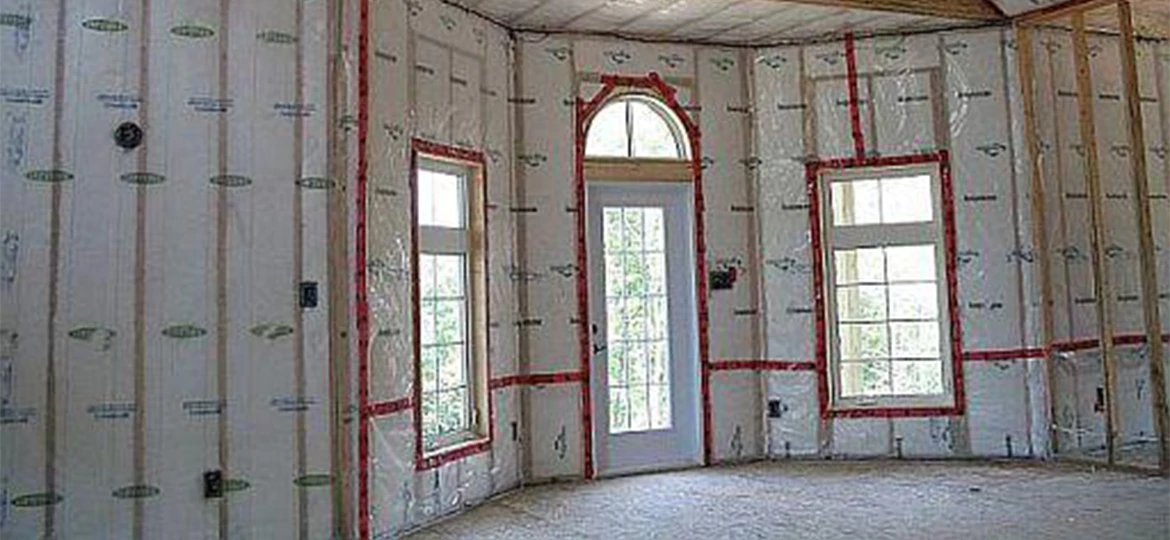
Hydro-thermoisolation is an essential method for the protection and energy efficiency of buildings, combining moisture insulation with thermal insulation. This process involves the application of specialized materials that prevent water infiltration and maintain an optimal temperature inside the structures, thus contributing to reducing energy consumption for heating or cooling and extending the lifespan of buildings.
Hydro-thermoisolation must be carried out to protect the structure from possible damage caused by humidity, condensation or extreme thermal variations, which can lead to the degradation of building materials, the appearance of mold or a decrease in energy performance. This type of insulation can be applied both to roofs, foundations, as well as to walls or terraces, ensuring complete protection against external factors.
There are several types of hydro-thermoisolation, adapted to the needs of each project. These include insulation applied to the exterior of buildings, insulation for flat or pitched roofs and special solutions for basements and foundations. The materials used in hydro-thermoisolation are diverse and include bituminous membranes, PVC membranes, polyurethane foams, mineral wool, extruded or expanded polystyrene, and solutions based on liquid rubber. The choice of materials depends on the specifics of the construction, the climatic conditions and the energy performance requirements.
The use of modern and efficient materials contributes to the creation of durable and sustainable structures, with low long-term costs for maintenance and operation.
The implementation of hydro-thermoisolation is a complex process, which involves the application of technical solutions adapted to the specifics of the construction and the requirements for protection against external factors, such as moisture and temperature variations. The main objective is to ensure effective insulation, which reduces heat loss and prevents water infiltration, thus protecting the structure in the long term. The process is carried out in well-defined stages, aiming at the correct application of materials and compliance with technical regulations.
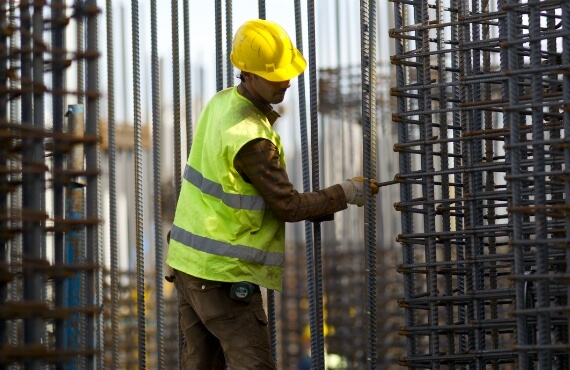
By rigorously following each stage, optimal protection of the building against environmental factors is ensured, extending the lifespan of the structure and ensuring significant long-term savings in terms of energy consumption.
Hydro-thermoisolation plays a key role in improving the energy performance and sustainability of a building. By combining thermal insulation with protection against water infiltration, this type of insulation provides a number of important benefits for owners, whether it is residential, commercial or industrial buildings. The correct implementation of hydro-thermoisolation not only protects the structure of the building, but also contributes to indoor comfort and reduced maintenance costs.
Increased Energy Efficiency : One of the main advantages is the reduction of heat loss in the cold season and the maintenance of low indoor temperatures in the summer. This leads to a significant decrease in energy consumption for heating or cooling, generating significant savings in the long term.
Protection Against Water Infiltration : Hydro-thermoisolation prevents water from seeping into the building structure, eliminating the risk of dampness, mold, or other moisture-related damage. Thus, foundations, walls, and roofs are protected against deterioration over time.
Increased Building Durability : By reducing the impact of external factors such as water, temperature variations and humidity, hydro-thermoisolation contributes to extending the lifespan of building materials and, implicitly, the entire structure.
Improved Interior Comfort : Maintaining a constant temperature and controlling humidity levels ensures a more pleasant and comfortable indoor environment. In addition, effective insulation reduces the formation of condensation on interior surfaces, improving air quality.
External Noise Reduction : Certain thermoisolation materials, such as mineral wool, also have sound-insulating properties, which helps reduce noise from outside. This is a major advantage, especially for buildings located in urban areas or with heavy traffic.
Reduced Maintenance and Repair Costs : By protecting the building from infiltration and damage, hydro-thermoisolation reduces the need for frequent repairs or major interventions on the structure. This contributes to lowering long-term building maintenance costs.
Property Value Increase : A well-insulated building has a higher market value, due to the benefits related to energy efficiency and sustainability. Properties with hydro-thermoisolation are more attractive to potential buyers or tenants, due to lower operating costs and increased comfort.
As such, hydro-thermoisolation is an essential investment for any type of building, offering significant advantages in terms of energy efficiency, durability and comfort. By protecting the building from climatic factors and reducing energy consumption, it contributes not only to substantial savings, but also to the creation of optimal living and working conditions, in the long term. Correctly implemented, hydro-thermoisolation can transform a building into a sustainable and energy-efficient structure.
To get in touch with us or to get a quote for your project, please fill out the form below. We will contact you as soon as possible.