Waterproofing Industrial Halls

phone iconAPOLODOR BUSINESS CONSTRUCTION

Waterproofing Industrial Halls

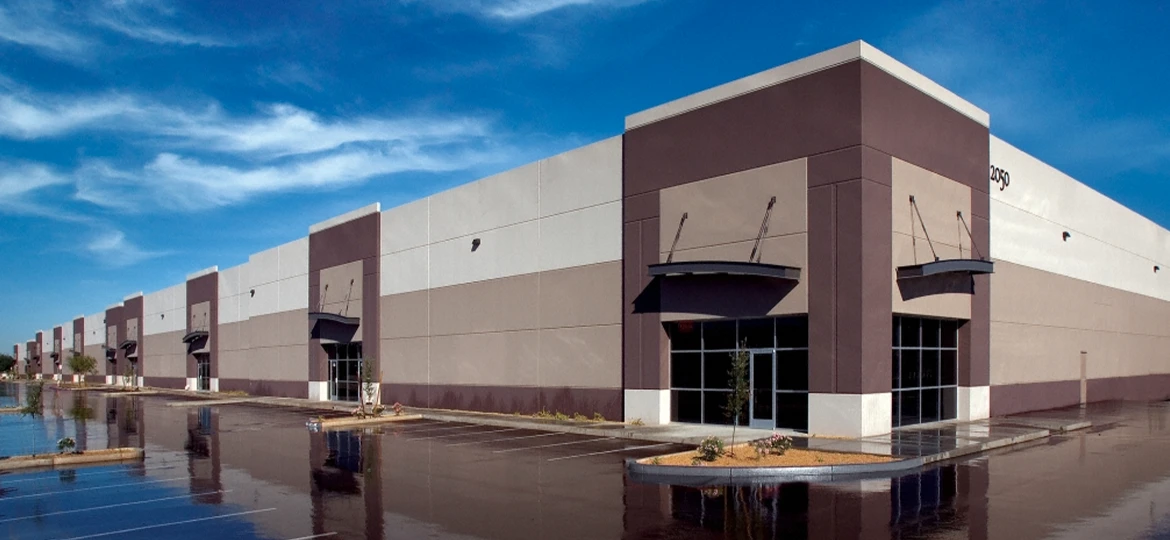
Waterproofing industrial buildings is an essential process for protecting the structure and extending the lifespan of industrial buildings. This type of construction, especially concrete, is constantly exposed to environmental factors such as water, humidity and temperature fluctuations, which can damage the structure over time. The use of modern waterproofing solutions, such as bituminous membranes, silicates and polyurethanes, provides durable protection against water infiltration and contributes to maintaining the strength and integrity of the building. Well-executed waterproofing prevents the appearance of cracks and corrosion of concrete, thus providing additional protection against degradation.

service detials
service detials

Depending on the specific needs of each hall, multiple layers of waterproofing materials can be applied, each playing a crucial role in forming an effective barrier against water and other corrosive agents.

Also, investing in quality waterproofing increases the energy efficiency of industrial buildings and reduces long-term maintenance costs.

phone iconAPOLODOR BUSINESS CONSTRUCTION

The process of waterproofing of industrial halls

Proper waterproofing of industrial buildings is essential to ensure lasting protection against water infiltration and harmful environmental factors. This complex process involves a series of essential steps, from initial surface preparation to the application of waterproofing membranes and leak testing. At each step, attention to detail and the use of appropriate materials contribute to achieving effective insulation, designed to extend the life of the building and reduce the risk of structural damage. In this chapter, we will explore in detail each of the steps required for optimal waterproofing of industrial buildings.
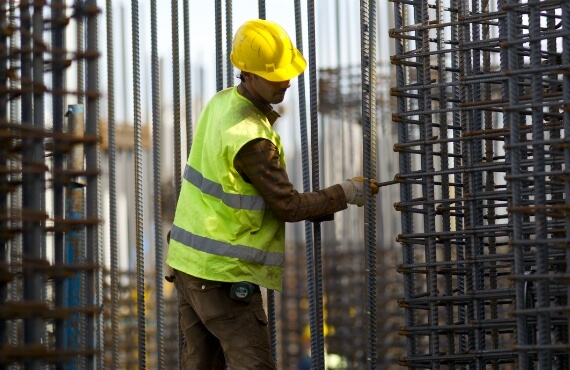
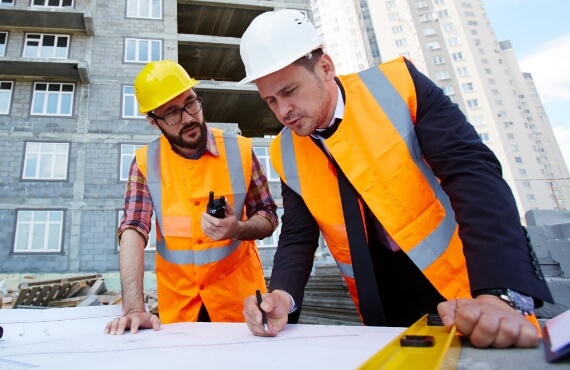
  • Surface Evaluation : Before starting the waterproofing process, it is essential to carry out a detailed assessment of the condition of the industrial building. This includes checking for any cracks, crevices or areas affected by water infiltration.
  • Surface Preparation : Start by cleaning it of dust, dirt, grease or other residues that may prevent the proper adhesion of the waterproofing material. Depending on the surface, it may be necessary to use special equipment for mechanical cleaning.
  • Necessary Repairs : Repairing existing cracks and crevices is crucial to prevent future water infiltration. Appropriate repair solutions, such as repair mortars, will be used to create a uniform and stable surface for subsequent waterproofing application.

  • Applying Primer : After the surface has been prepared, a primer is applied that improves the adhesion of the waterproofing material to concrete or other surfaces. This helps create a strong bond between the waterproofing membrane and the substrate.
  • Application and Drying Method : The primer should be applied evenly, in thin layers, and allowed to dry completely before moving on to the next step.

  • Waterproofing Membrane : Application The waterproofing membrane is essential for protecting the hall against water. Depending on the material, the membranes can be self-adhesive or applied by melting (in the case of bituminous membranes) with a special burner.
  • Applying the Waterproofing Membrane : At least one layer of bituminous membrane is applied, but for optimal protection, several layers can be applied. These must be installed so as to cover the entire surface without interruptions and overlap properly to ensure tightness.
  • Application Method : When using other waterproofing solutions, such as polyurethane or liquid membranes, they are applied in successive layers using special tools, such as rollers or brushes.

  • Sealing : Sensitive areas such as corners, joints and transitions between walls and floors require special attention. These are places prone to water infiltration, which is why additional sealing solutions such as sealing strips or elastic materials are applied.
  • The Importance of Sealing : Proper sealing of these critical areas prevents water accumulation and infiltration inside the hall structure.

  • Verification and Testing : After applying the waterproofing, it is important to carry out leak tests to verify that the entire surface has been properly covered and that there are no leaks. These tests may include applying water pressure to the surface to simulate real-world conditions.
  • Defects Remediation : Any defects identified following testing must be repaired before the hall is put into use.

  • Surface Restoration : Once the waterproofing process is complete, you can proceed to renovate the running surface or other construction elements, if necessary.
  • Periodic Maintenance : It is essential to ensure that the waterproofing system remains functional in the long term. Annual inspections help identify any problems that may have arisen and prevent premature deterioration of the waterproofing system.
phone iconAPOLODOR BUSINESS CONSTRUCTION

Advantages of waterproofing industrial halls

Investing in waterproofing industrial buildings offers many long-term benefits, from protecting the building structure from water infiltration, to reducing maintenance costs and increasing energy efficiency. Waterproofing not only ensures the integrity of the building, but also helps protect equipment, stored products and the working environment. This chapter details the significant advantages that well-executed waterproofing offers, explaining how it can transform an industrial building into a safe, durable and economical construction.

  • Protection Against Water Infiltration : The main advantage of waterproofing is the prevention of water infiltration into the structure of the hall. This infiltration can cause damage to building materials, especially concrete, leading to cracks and, in the long term, compromising structural integrity. An effective waterproofing system creates an impermeable barrier, preventing water penetration and the formation of condensation inside the hall.

  • Building Durability and Lifespan Extension : By preventing water damage, waterproofing helps extend the lifespan of a building. This reduces the need for costly and frequent repairs, thus protecting your investment in the long term. The materials used in the waterproofing process are resistant to external factors, including extreme temperatures, UV radiation and chemicals, which contributes to the durability of the construction.

  • Increasing Energy Efficiency : Effective waterproofing reduces the risk of condensation and excessive humidity inside the hall, which can affect the internal temperature. This leads to lower energy consumption for heating or cooling, thus contributing to better energy efficiency of the building. Properly insulated industrial halls maintain a stable internal temperature, improving thermal comfort for employees and the operation of equipment.

  • Reducing Maintenance Costs : Proper waterproofing minimizes the risk of cracks and damage to the concrete, thus reducing the need for repairs. Without water infiltration, maintenance costs are significantly lower in the long term. By preventing major problems that can arise due to moisture, the initial investment in waterproofing quickly pays for itself.

  • Equipment and Product Protection : In industrial buildings, protection against moisture is essential not only for the building structure, but also for the equipment and stored products. Water infiltration can damage machinery, cause rust and affect the quality of stored products, which can lead to financial losses. Effective waterproofing ensures a dry and safe working environment, protecting valuable goods and equipment.

  • Preventing Mold and Fungus : Water infiltration and excessive humidity can create favorable conditions for the development of mold and fungi, which not only damage the building, but can also pose a health risk to employees. Correct waterproofing prevents the accumulation of moisture, maintaining a clean and healthy environment inside the industrial hall.

Therefore, waterproofing of industrial halls is a crucial investment to maintain structural integrity, protect equipment and reduce long-term maintenance costs. It also ensures an efficient and safe working environment, contributing to increased productivity and the longevity of the industrial building.

CONTACT

REQUEST A QUOTE

To get in touch with us or to get a quote for your project, please fill out the form below. We will contact you as soon as possible.