Waterproofing Foundations

phone iconAPOLODOR BUSINESS CONSTRUCTION

Waterproofing Foundations

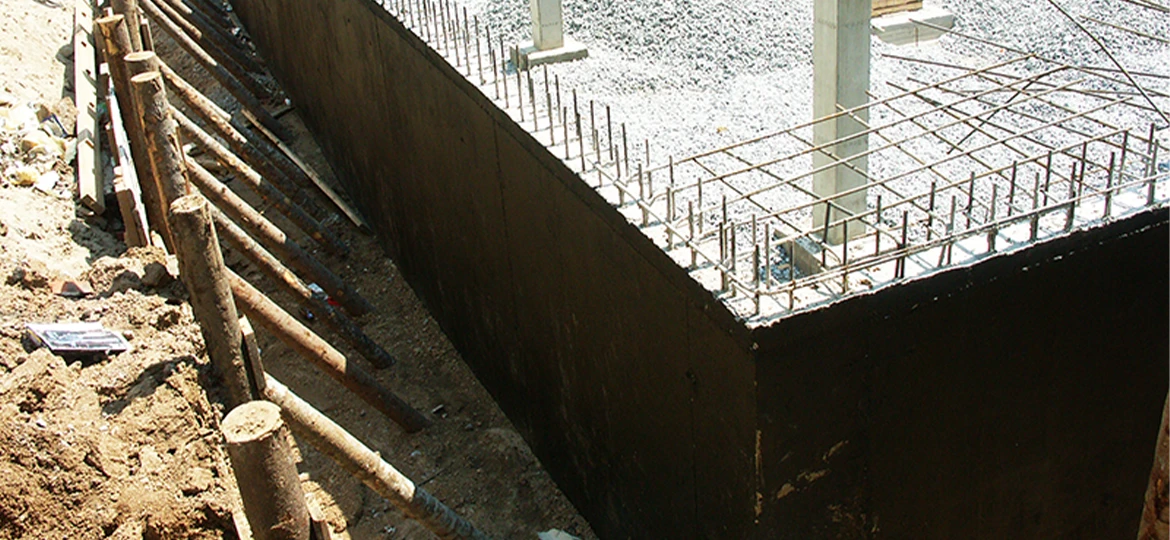
Foundation waterproofing is one of the most critical stages in the construction of a building. The foundation, the basic element that takes over and transmits all the loads of the structure to the ground, must be properly protected against water infiltration to ensure the durability and safety of the entire construction.

service detials
service detials

Quality waterproofing prevents the degradation of building materials, dampness, mold, and damage to the health of the occupants.

In the absence of proper waterproofing, water can penetrate the structure, affecting both the integrity of the building and its aesthetics, and subsequent repair costs can be considerable.

phone iconAPOLODOR BUSINESS CONSTRUCTION

The process of waterproofing foundations

Foundation waterproofing is an essential step in the construction of a building, providing protection against water infiltration and contributing to the durability of the structure. A properly carried out process can prevent foundation damage and the emergence of major problems such as damp or mold. From cleaning and preparing the surface, to applying and protecting the waterproofing layer, each stage plays a crucial role in maintaining the safety of the building in the long term.
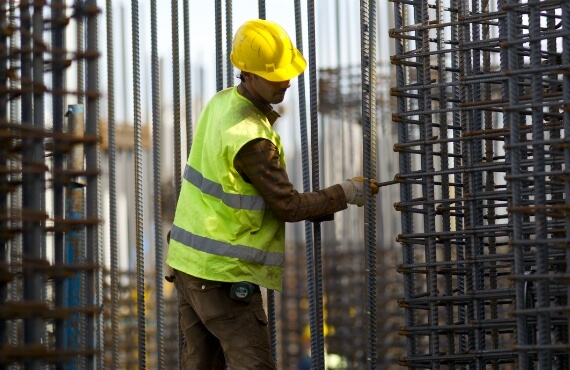

  • Surface Leveling : It is important to ensure that the surface is smooth and free of defects, to avoid weak points in the waterproofing.
  • Crack Repair : If there are cracks or structural defects, they must be repaired before applying waterproofing. Special mortars or putties can be used for concrete repair.

  • Primer application : The next step is to apply a primer to the foundation, which facilitates the adhesion of the waterproofing material to the base surface.
  • Types of Primer: The primer is selected depending on the type of waterproofing material used (bituminous membranes, liquid rubber, waterproof cement, etc.).
  • Drying Time: It is necessary to wait until the primer is completely dry before applying the main waterproofing layer.

  • There are several types of waterproofing materials, each with specific characteristics depending on the project requirements.
    • Bituminous Membranes : Very durable and popular for waterproofing foundations. Applied either by hot-gluing (with torches) or cold-gluing (with special adhesives).
    • PVC or EPDM membranes : They are flexible and durable synthetic films that provide excellent protection against water.
    • Liquid Waterproofing : These are applied in layers, in liquid form, and harden upon contact with air, forming a continuous waterproof layer.
    • Cement-Based Waterproofing : They are generally applied in areas where there is high hydrostatic pressure and are used for concrete foundations.

  • After the primer has dried, the actual waterproofing layer is applied. This can be in the form of a membrane, paste or solution, depending on the materials chosen. The application must be uniform and continuous, without interruptions, to ensure complete protection.
    • Bituminous Membranes: They can be applied hot, where the membrane is heated with a torch and bonded to the foundation, or cold, where a special adhesive is used for bonding.
    • Liquid Waterproofing: Apply with brush, roller or sprayer, in two or more coats, ensuring that each coat is uniform and completely covered.

  • The final step is to protect the applied waterproofing by covering it with a suitable protective layer. This can include protective foils, protective boards or layers of material that protect the waterproofing from mechanical or temperature factors. It is important that the waterproofing is protected against mechanical damage and exposure to elements that could cause it to degrade.
    • Protection Plates: After applying the waterproofing, protective boards made of extruded polystyrene or other durable materials can be installed to protect the waterproofing layer during backfilling with soil.
    • Drainage Foil: This allows water to drain along the foundation without affecting the waterproofing layer. It is especially installed on foundations located in areas with high groundwater.
phone iconAPOLODOR BUSINESS CONSTRUCTION

Advantages of waterproofing foundations

Foundation waterproofing brings multiple benefits, essential for protecting the building and ensuring the comfort of the occupants. In addition to preventing water infiltration, it helps protect the structure's resistance, preventing damage to construction materials and maintaining the aesthetic appearance of the building. Waterproofing also reduces the risk of mold, thus contributing to a healthy environment and saving maintenance costs in the long term.

  • Protection Against Water Infiltration : Properly performed waterproofing prevents water from seeping into basements or wall structures, which reduces the risk of dampness and mold.

  • Increasing Construction Durability : The constant presence of water can weaken the building's structural strength, accelerating degradation processes. Effective waterproofing helps extend the lifespan of the building.

  • Improving Tenants' Health : Mold and mildew can have negative effects on health, especially on the respiratory tract. Foundation waterproofing prevents their formation and maintains a healthy environment inside the building.

  • Reducing Maintenance Costs : By protecting the structure from water, costly repairs are avoided in the long term, thus reducing maintenance and restoration expenses.

  • Preserving the Aesthetic Appearance of the Building : Moisture can affect exterior and interior finishes, leading to moisture stains and deformation of materials. Waterproofing helps maintain a clean and pleasant appearance of the building.

In conclusion, waterproofing the foundation offers multiple advantages, essential for the protection of the building and the well-being of the occupants. By preventing water infiltration, it contributes to maintaining a solid resistance structure, protecting the health of those living in the building and reducing maintenance costs. Investing in quality waterproofing guarantees not only the safety of the building, but also its longevity, being an indispensable long-term protection measure.

CONTACT

REQUEST A QUOTE

To get in touch with us or to get a quote for your project, please fill out the form below. We will contact you as soon as possible.