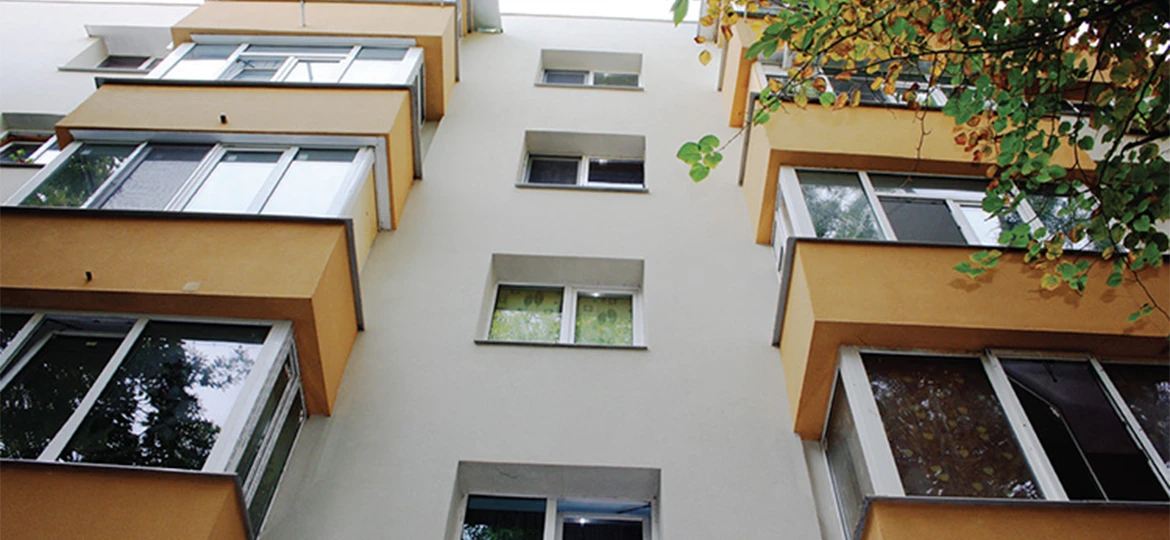
Building rehabilitation is a complex process of restoring, modernizing and adapting existing buildings, with the main goal of improving their functionality, safety and efficiency, without compromising the architectural, historical or cultural values of the structure. Rehabilitation services involve precise interventions, carried out according to the highest standards of quality and durability, using modern technologies and materials that guarantee high performance over time. These works may include structural reinforcements, repairs of finishes, modernization of electrical and thermal systems, but also the implementation of energy efficiency solutions, such as state-of-the-art waterproofing and thermal insulation.
There are several types of rehabilitation, depending on the needs of the building: structural, aesthetic, functional or energy rehabilitation. Each of these is carefully planned and carried out with specialized materials, such as reinforced concrete, composite fibers, advanced thermal and acoustic insulation systems, or structural monitoring equipment, to ensure the longevity and safety of the rehabilitated construction.
Building rehabilitation is a complex process that can involve various interventions, depending on the specific needs of the building and the intended purpose. Rehabilitation works can be classified into several categories, each with an important role in ensuring the durability, functionality and aesthetics of the building. Below are presented the main types of rehabilitation works, along with a brief description of each:
Structural rehabilitation involves strengthening and restoring the main components of the building, such as foundations, columns, beams, and floors, to ensure the stability and safety of the building.
Specific interventions:
Purpose: Improving resistance to structural stress, preventing collapse in the event of an earthquake or other major events, and extending the lifespan of the building.
Functional rehabilitation involves adapting and modernizing interior spaces and installations to meet contemporary usage requirements, improving the building's comfort and functionality.
Specific interventions:
Purpose: Optimizing the functionality and comfort of the building, ensuring a more efficient use of space and resources, in accordance with current standards.
Energy rehabilitation aims to improve the building's energy performance by implementing solutions that reduce heat loss and energy consumption, thus contributing to reducing operating costs and protecting the environment.
Specific interventions:
Purpose: Reducing energy consumption, increasing the building's thermal efficiency and aligning with environmental and energy sustainability standards.
Aesthetic rehabilitation focuses on restoring and improving the visual appearance of the building while preserving its original architectural and cultural features.
Specific interventions:
Purpose: Preserving and enhancing the aesthetic value of the building, while maintaining its historical and cultural integrity.
This form of rehabilitation focuses on protecting the building against water and moisture infiltration, thus ensuring the durability of the structure and preventing water damage.
Specific interventions:
Purpose: Preventing building damage caused by moisture and infiltration, ensuring long-lasting protection against water.
Seismic rehabilitation involves adapting and strengthening buildings to withstand earthquakes, by implementing solutions that reduce risks in the event of seismic events.
Specific interventions:
Purpose: Protecting the building and its inhabitants from the effects of earthquakes, ensuring maximum safety and preventing structural collapse.
Green rehabilitation is aimed at adapting the building to green construction standards, reducing environmental impact and promoting sustainability.
Specific interventions:
Purpose: Increasing the sustainability of the building, reducing the negative impact on the environment and promoting an ecological lifestyle.
Building rehabilitation can include a wide range of works, each tailored to the specific needs and requirements of the building and its environment. Whether it is structural strengthening, improving energy efficiency, water protection or aesthetic modernization, each type of rehabilitation contributes to extending the life of the building and increasing the safety and comfort of its occupants.
The process of rehabilitating a building begins with a detailed assessment of the current state of the structure, identifying existing problems and specific intervention needs. After the technical analysis, a personalized rehabilitation project is developed, which takes into account the architectural, functional and aesthetic characteristics of the building. This is followed by the actual execution stage, in which the identified solutions are applied, whether it is the consolidation of structural elements, the modernization of installations or the restoration of finishes. Throughout the entire process, modern equipment and materials of the highest quality are used, ensuring compliance with the deadlines and safety standards imposed by the legislation in force. Finally, each rehabilitation project is completed with a rigorous inspection and testing to guarantee the durability and efficiency of the work carried out.
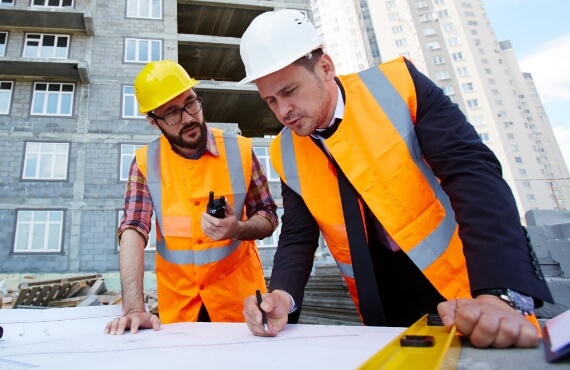
At APOLODOR BUSINESS CONSTRUCTION, the process of rehabilitating a building is a detailed and structured one, requiring technical evaluation, rigorous planning and precise execution. Each stage is essential for the success of the work and to guarantee that the building will meet the required safety, functionality and aesthetic standards. Below is a detailed presentation of the process of professional rehabilitation services, focusing on the essential steps and the methodology used.
This is the preliminary stage, essential to understand the current state of the structure and to identify areas that require intervention. The technical and structural assessment provides a clear picture of the present problems and helps determine the optimal rehabilitation solutions.
Key stages:
Purpose: Identifying deficiencies and establishing critical points that require rehabilitation to prevent further damage and ensure long-term safety.
After a detailed assessment of the building, the design stage of the necessary interventions follows. Depending on the type and extent of the rehabilitation, a detailed plan is developed that defines the technical solutions, the necessary materials and the execution schedule.
Key stages:
Purpose: Ensuring an efficient intervention that complies with legal, architectural and functional requirements, within the budget and established deadlines.
Before the actual work begins, site preparation is carried out and all necessary materials are available and properly stored. This stage is critical to avoid delays and ensure a smooth execution.
Key stages:
Purpose: Ensuring good logistical organization and continuity of work, with efficient use of available resources.
This is the basic stage of the process, in which the solutions identified in the rehabilitation plan are implemented. Each intervention is carried out in compliance with safety and quality standards, using modern techniques and high-performance materials.
Key stages:
Purpose: Carrying out the rehabilitation according to technical specifications, to ensure the long-term durability and safety of the building.
During the execution of the works, constant monitoring and inspections are carried out to verify compliance with the technical design and compliance with quality standards. It is essential to ensure that all works are carried out correctly and that the materials used comply with the quality specifications.
Key stages:
Purpose: Guaranteeing execution at the highest quality standards and preventing long-term problems through rigorous control of each stage.
Once the works have been completed, a final inspection is carried out to verify that all technical and aesthetic requirements have been met. This includes functional testing of the installations and verification of compliance with the original plan.
Key stages:
Purpose: Final validation of the work performed and ensuring that the rehabilitation project meets all quality and safety standards.
After the rehabilitation is completed, the beneficiary receives guarantees for the work performed and a building maintenance plan to ensure that the building will maintain its quality in the long term.
Key stages:
Purpose: Ensuring the durability of the work carried out and maintaining the building's performance through adequate maintenance.
The process of professional rehabilitation services is a well-defined one, which aims to improve the safety, functionality and energy efficiency of buildings. Each stage is managed with care and professionalism, from the initial assessment to the completion of the works and post-execution monitoring, to ensure that each project meets the highest quality standards.
Professional rehabilitation of a building offers multiple advantages, both structurally, functionally and aesthetically. This process contributes to improving the safety of the building, optimizing energy consumption and increasing the value of the property. The following are presented in detail the main advantages of professional rehabilitation services.
One of the main priorities of any rehabilitation work is the safety of the building. Structural reinforcement and modernization of facilities are essential to ensure the stability of the building and to reduce risks related to factors such as earthquakes, water infiltration or natural wear and tear.
Benefits:
Impact: Structural rehabilitation extends the life of the building and ensures compliance with modern safety standards.
Another important advantage of professional rehabilitation is improving the energy efficiency of the building. By implementing modern insulation solutions and using innovative materials, energy losses and, implicitly, utility costs can be significantly reduced.
Benefits:
Impact: In addition to reducing bills, an energy-rehabilitated building contributes to environmental protection by reducing the carbon footprint and resource consumption.
A rehabilitated building will have a considerably higher market value compared to one that is damaged or has structural and energy problems. Investing in rehabilitation not only extends the life of the building, but also makes it more attractive to potential buyers or tenants.
Benefits:
Impact: Rehabilitation significantly increases the value of the property, making it an attractive long-term investment.
For historic buildings or those with special architectural value, rehabilitation is essential to preserve heritage elements and protect them from degradation. This type of rehabilitation ensures the preservation of original features, while bringing the building up to modern standards.
Benefits:
Impact: Preserving architectural heritage is essential for cultural and historical identity, while ensuring the building's modern functionality.
Professional rehabilitation significantly improves the comfort conditions for building users. Rehabilitated spaces become more pleasant and efficient, both thermally and acoustically. Also, the modernization of installations contributes to a more comfortable and safer use of the building.
Benefits:
Impact: Providing a healthy and comfortable indoor environment for residents or users contributes to their well-being and productivity.
Professional building rehabilitation helps reduce the negative impact on the environment by using environmentally friendly materials and technologies. Also, improving resource efficiency and reducing waste are essential aspects of this process.
Benefits:
Impact: Ecological rehabilitation helps reduce the carbon footprint and protect the environment, contributing to long-term sustainability.
Through rehabilitation, buildings can be brought into compliance with current building and safety regulations and standards. This is essential to avoid legal risks and to protect tenants or users.
Benefits:
Impact: Compliance with legal and safety regulations ensures legal protection and user comfort, reducing the risks associated with non-compliant buildings.
Professional rehabilitation services offer a wide range of benefits, from improving safety and energy efficiency to increasing market value and protecting architectural heritage. These works not only extend the lifespan of buildings, but also contribute to a healthier and more sustainable environment, while providing increased comfort and safety for users.
Choose the professional rehabilitation services offered by APOLODOR BUSINESS CONSTRUCTION to ensure the durability, safety and energy efficiency of your building. Contact us now for a detailed assessment and customized solutions that bring long-term value and comfort!
To get in touch with us or to get a quote for your project, please fill out the form below. We will contact you as soon as possible.