


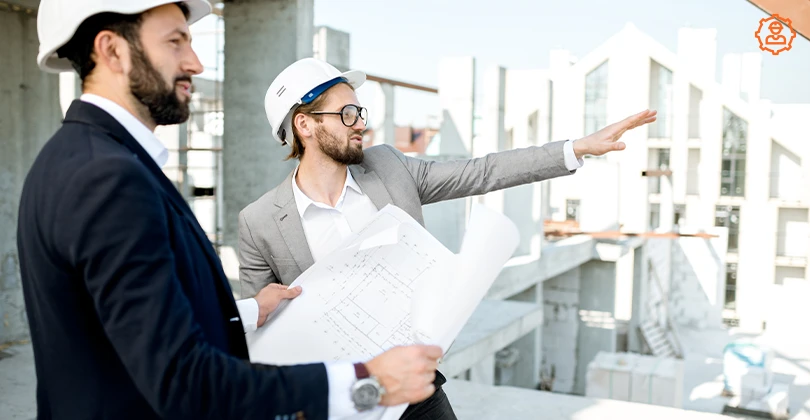
Constructions – Stages, Materials, Costs and Recommendations for a Successful Project
When it comes to construction, whether we are talking about houses, their annexes, garages, terraces or swimming pools, the essential element is a well-defined project and implemented in a professional and appropriate manner. Achieving a successful construction involves not only compliance with material specifications and their quality, but also the experience and competence of the construction team. Without a qualified team, no project can be successfully completed.
The following article addresses the essential stages of a construction project, the materials needed, the actual execution, as well as the costs and execution times. We will also present useful recommendations to help you better understand the processes involved in carrying out the work.
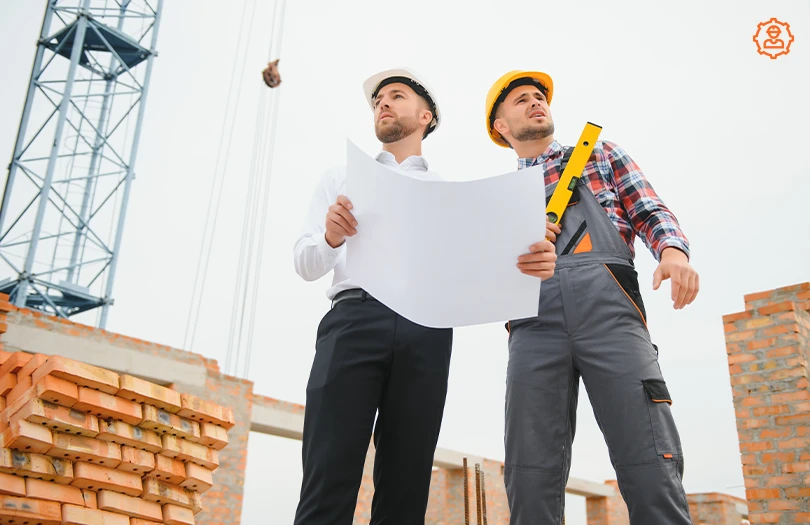
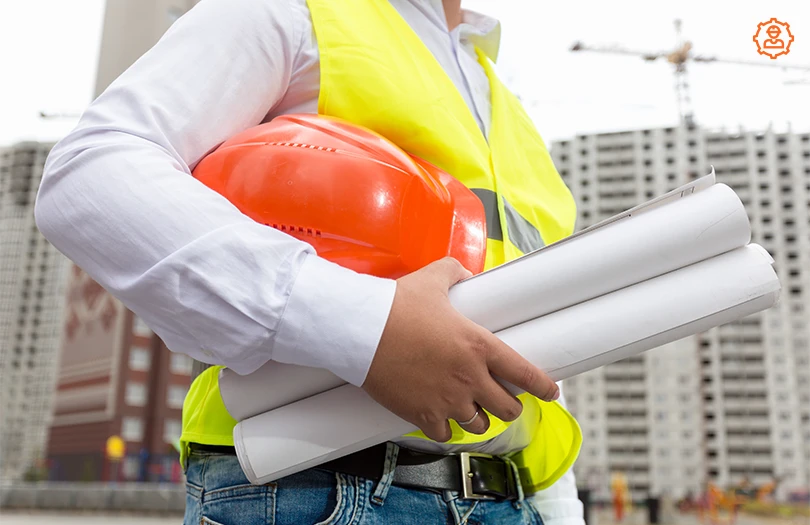
The designer is responsible for the development of technical documentation for the execution of construction works. These must be prepared in such a way as to allow the execution and use of the respective works under conditions in which, during normal operation of the technological installations, work accidents and occupational diseases are prevented.
– Order 508/2002
Stages of a construction project
- Design – The construction project is the basis of any work and it is essential that it is well prepared before any actual work begins. A project must include detailed plans, technical specifications and, in many cases, the necessary permits to begin work. At this stage, engineers and architects collaborate to create a solid and functional structure, adapted to the client's needs.
- Obtaining permits – Before construction can begin, all necessary permits must be obtained. This process can be lengthy and involves obtaining approvals from various local authorities and institutions, depending on the nature of the project.
- Preparing the ground – This stage involves evaluating and preparing the land on which the building is to be built. It is necessary to verify the stability of the soil, carry out any excavation work, and lay the foundation, which is the solid base on which the construction will be erected.
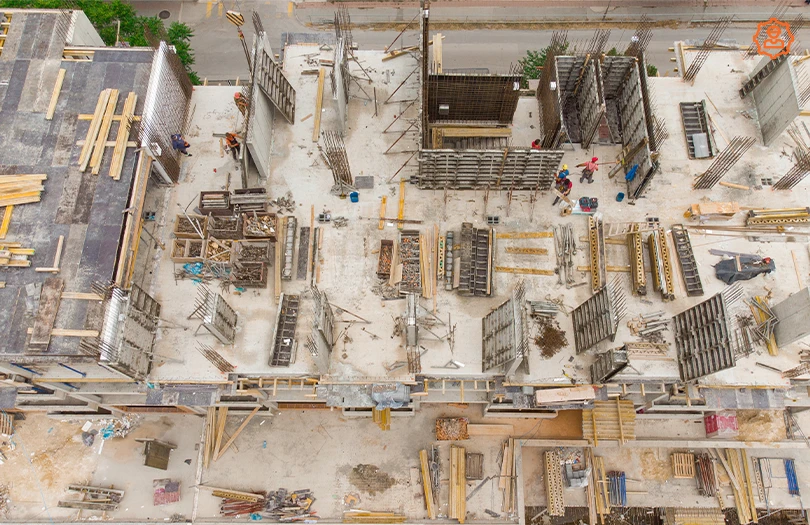
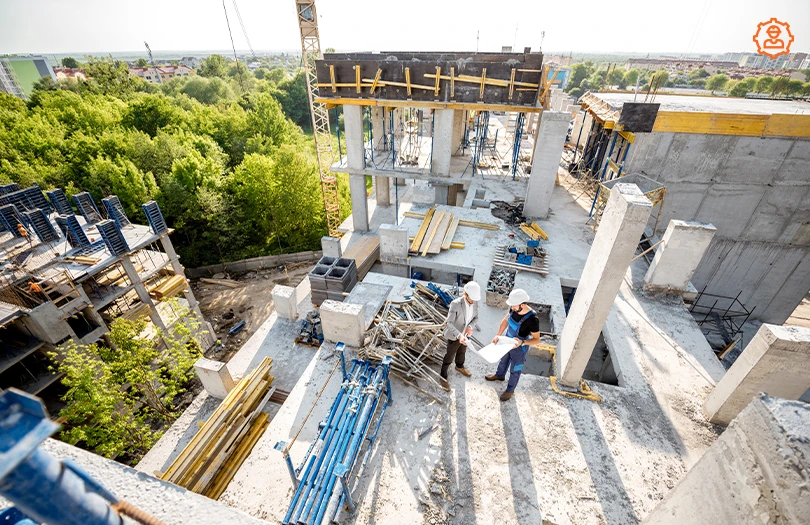
- Structure construction – Once the land is prepared, the actual construction of the structure can begin. This involves pouring the foundation, erecting the walls, and installing the roof. The materials used in this stage vary depending on the type of building and the client’s preferences. Whether it is concrete, brick, wood, or steel, choosing the right materials is essential for the durability and stability of the building.
- Installing utilities – After the structure is erected, the next stage involves the installation of utilities such as electricity, water, gas, and the ventilation system. This is a crucial phase that must be carried out by qualified specialists to ensure the optimal functioning of the building and compliance with safety regulations.
- Finishing the interiors – The final stage of construction involves finishing the interiors. This includes laying the floors, cladding the walls, installing the doors and windows, as well as painting and decorating the space. The details of this phase may vary depending on the client’s aesthetic preferences.
Materials used in construction
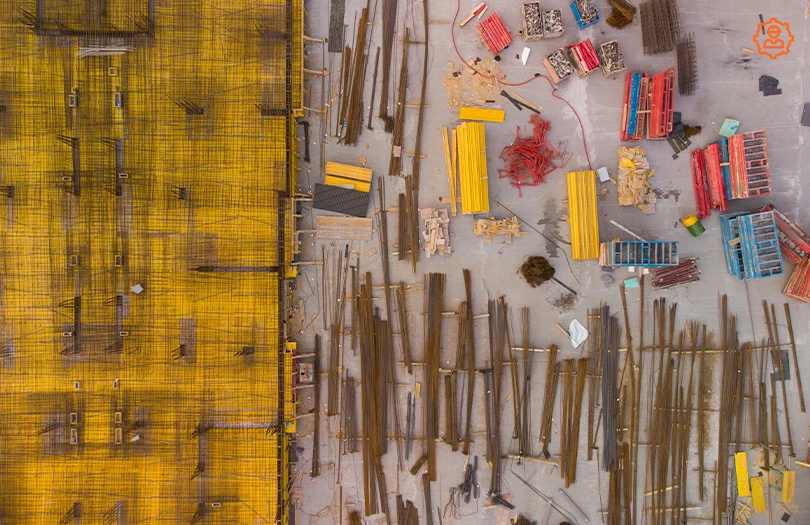
Materials play a vital role in the quality and durability of a building. The most common materials include:
- The concrete – is one of the most used materials due to its strength and versatility. It is ideal for foundations and load-bearing structures.
- The brick – offers a traditional aesthetic and is a good thermal insulator. It is frequently used on exterior and interior walls.
- The wood – is preferred in house construction in mountainous or rural areas, due to its thermal insulation capacity and its ecological character.
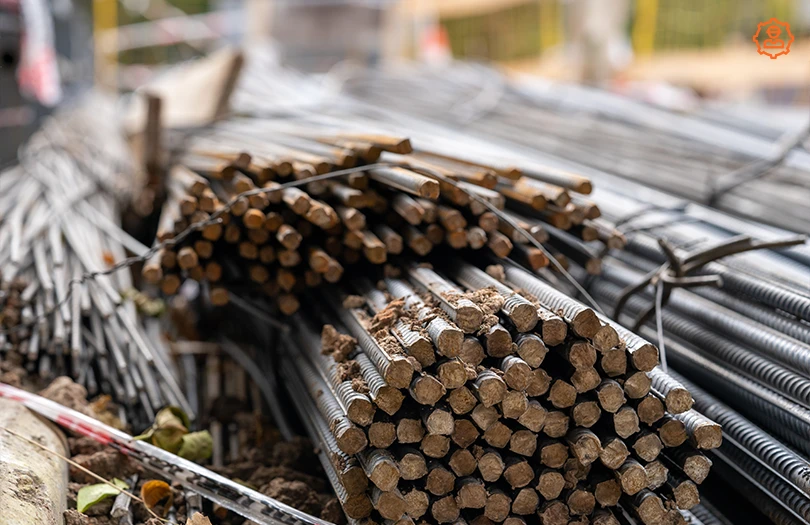
- The steel – especially used for large or industrial structures, due to its resistance to high forces and durability.
Each material has its advantages and disadvantages, and their choice depends on the type of construction, the environment, and the available budget.
Costs and execution time
The costs of a construction project vary depending on its size and complexity. On average, costs can be divided into:
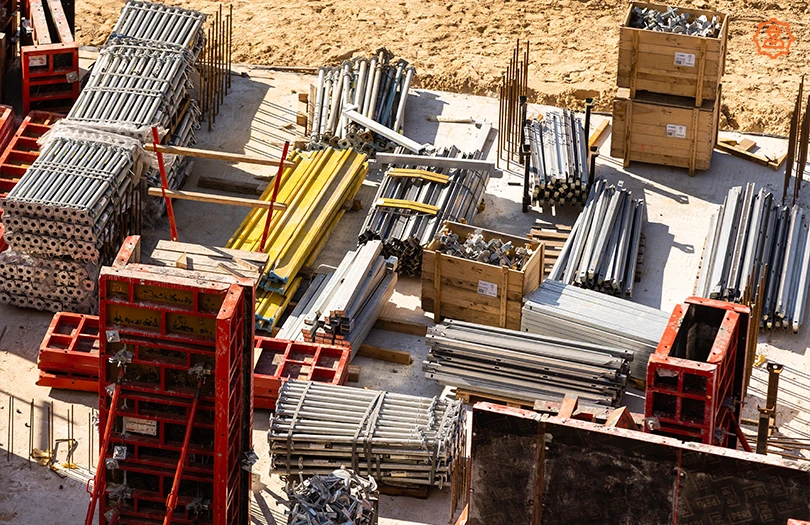
- Materials – It represents a significant part of the budget, and the quality and type of materials directly influence the final cost of construction.
- Handicraft – Costs related to the team of workers may vary depending on their experience and skills, but also on the region where the construction takes place.
- Permits and fees – These may include costs for necessary permits, local taxes and other specific fees.
Execution times vary depending on the size of the project. For example, the construction of an average house can take between 6 and 12 months, while larger or more complex projects, such as commercial buildings, can take several years.
General recommendations for the success of construction projects
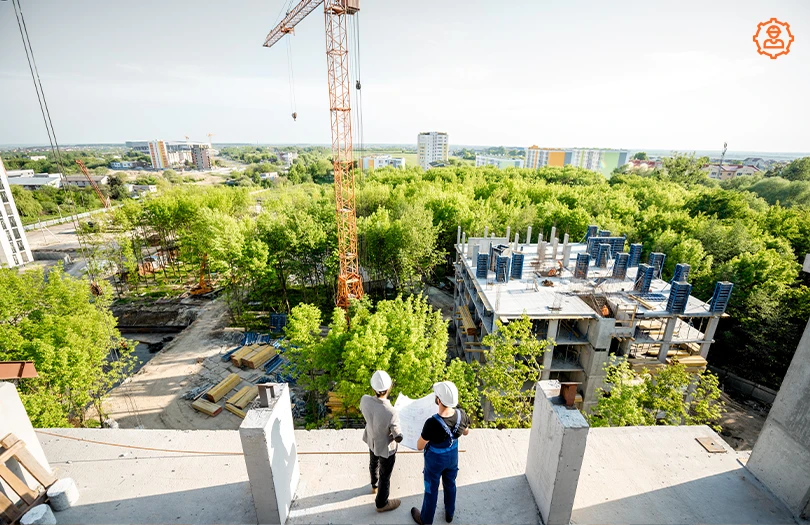
- Plan in detail – A well-planned project is the key to success. Consider all the details, including hidden costs and the time required for each stage.
- Professional employees – Choose a construction team with experience and solid recommendations. Check that they have the necessary qualifications and that they comply with safety and quality standards.
- Monitor the progress of the work – Make sure you are aware of all stages of construction and that they are carried out according to plan. Any delays or changes should be discussed with the construction team.
In conclusion, construction involves a complex process, but with proper planning and a professional team, any project can be successfully completed. Respecting the construction stages, choosing the right materials and constantly monitoring the works are essential factors for achieving a sustainable and quality construction.
APOLODOR BUSINESS CONSTRUCTION – Expertise that makes the difference!
Turn your construction project into reality with APOLODOR BUSINESS CONSTRUCTION! Benefit from professional services, a qualified team, and personalized solutions for sustainable and efficient construction.
CONTACT US TODAY
for a free consultation and let us build your future!


