


Foundation Waterproofing – Efficient Solutions for Building Protection
Foundation waterproofing is one of the essential steps in the construction or renovation of a building, having a significant impact on its durability and safety. The foundation must fulfill two main roles: to support the building structure and to be effectively protected against degradation factors, especially water. An unprotected foundation can suffer serious damage due to water infiltration, affecting the building structure and the health of the occupants.
The Importance of Foundation Waterproofing
The main purpose of waterproofing is to prevent water from seeping into the foundation. Although concrete may appear impermeable, the reality is that water can penetrate and cause structural damage. Water infiltration leads to corrosion of concrete reinforcement, the appearance of dampness, mold, and even damage to thermal insulation and interior finishes. Over time, these problems can compromise the stability of the building and the health of the occupants.
The technical regulation "Regulations on the design, execution and operation of waterproofing in buildings" is approved.
– ORDER 607 21/04/2003
Order 607 of April 21, 2003 is an essential document in the field of construction, regulating the technical requirements for waterproofing foundations and basements of buildings. Given the importance of protection against moisture and water infiltration, this order defines the standards and methods necessary to prevent damage to buildings, thus ensuring their durability and safety in the long term. The order covers essential aspects, such as the materials used, the classification of humidity conditions, the execution techniques, as well as the requirements for checking and maintaining waterproofing.
Advantages of Foundation Waterproofing
An effectively waterproofed foundation brings numerous benefits:
- Protecting the building structure: Waterproofing prevents the degradation of the concrete and reinforcement in the foundation, protecting the entire building.
- Preventing dampness and mold: Water infiltration leads to dampness in basements and walls, promoting the growth of mold. This can cause respiratory problems for residents.
- Improving energy efficiency: A dry foundation maintains effective thermal insulation, reducing heat loss and heating costs.
- Increased building longevity: A building that is well protected against water retains its structure intact for a longer period.
- Long-term economy: Repairing damage caused by leaks can be expensive. Investing in proper waterproofing prevents high repair costs later.
Types of Foundation Waterproofing
There are several methods and materials that can be used to waterproof foundations. The choice of method depends on the specific conditions of the building and the level of protection desired.
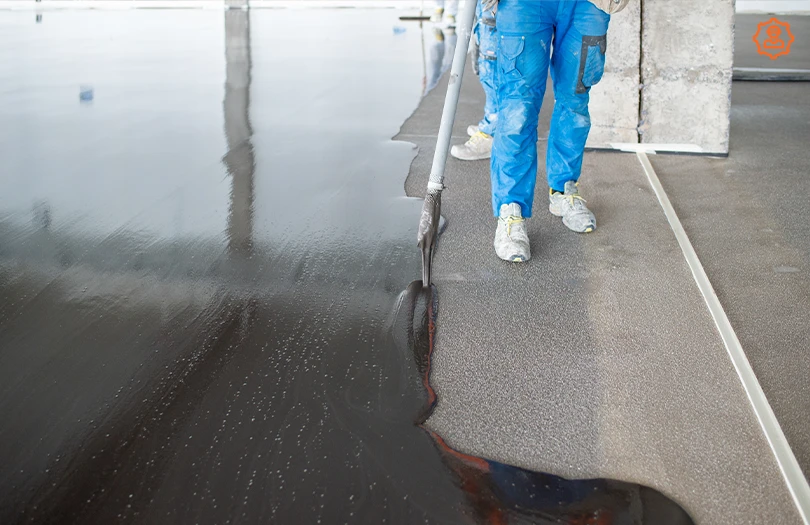
- Bituminous Membrane: Bituminous membranes are one of the most popular waterproofing solutions. They are applied to the exterior of the foundation and provide durable protection against water infiltration. They are ideal for new buildings and require professional application using special equipment (open flame burner).
- Waterproofing Mortar: Waterproofing mortar is a material that can be applied to concrete surfaces. It creates a waterproof barrier that prevents water from penetrating. Being easy to apply and adaptable, it is used both indoors and outdoors.
- Bentonite Membrane: Bentonite membranes are composed of two geotextile layers that incorporate bentonite, a clay that expands in contact with water, forming an effective barrier. These membranes are especially preferred for existing foundations, being easy to apply on uneven surfaces and requiring few adjustments.
- Liquid Rubber Membrane: Liquid membranes are applied by spraying or brushing, forming a continuous and flexible film. They are extremely effective in preventing water infiltration and are recommended for outdoor use due to the danger of vapor poisoning in enclosed spaces.
Foundation Waterproofing in New Buildings
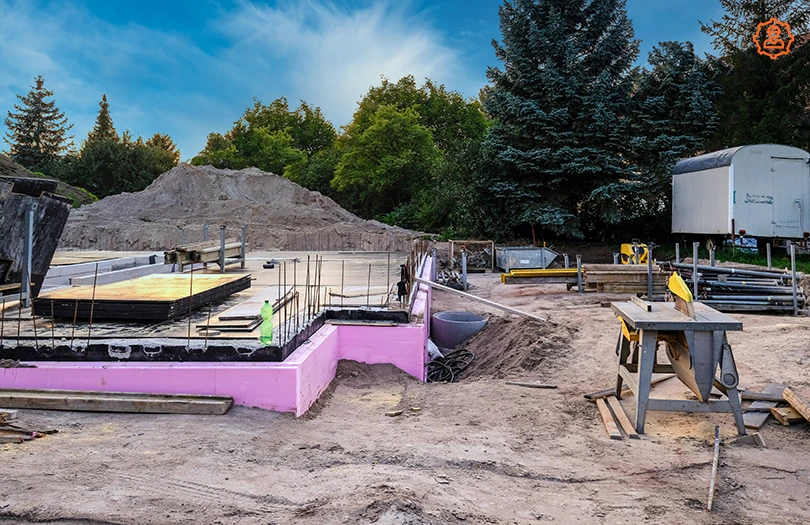
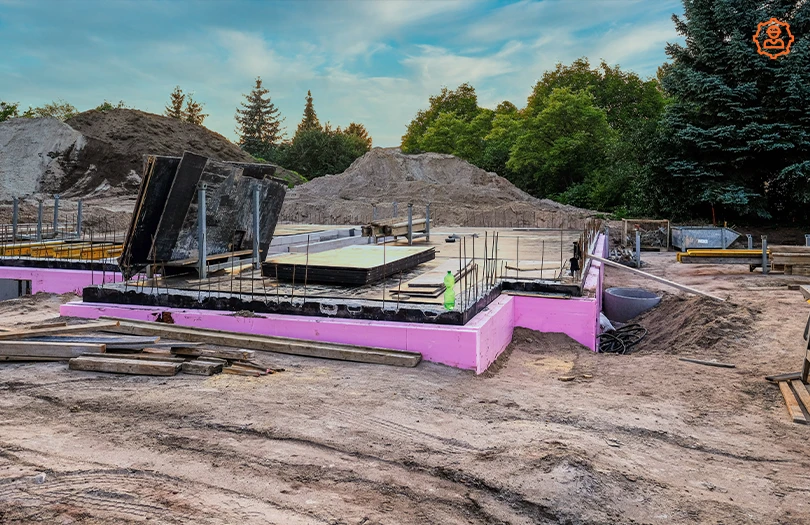
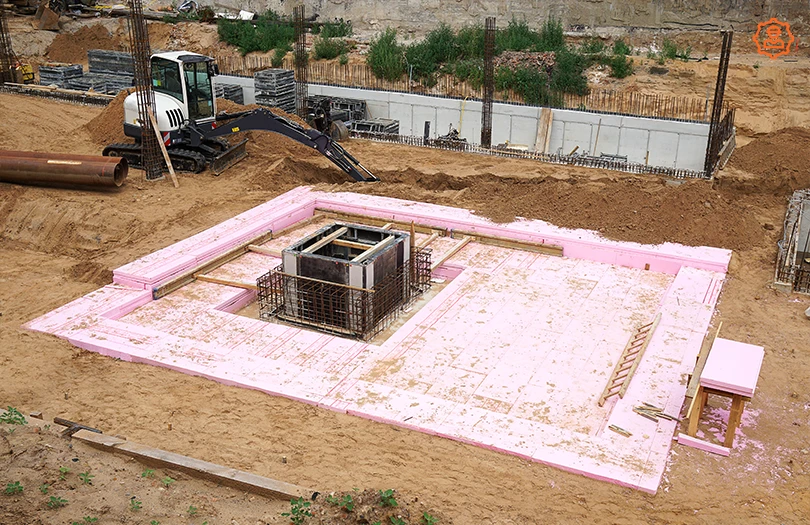
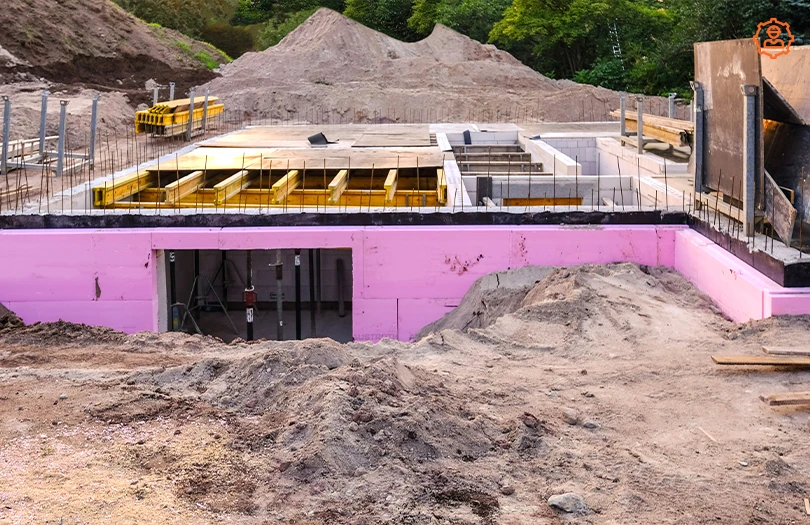
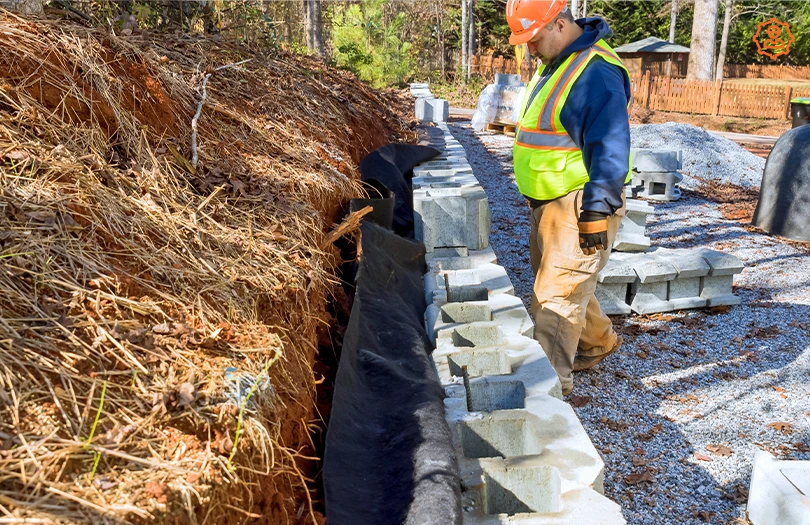
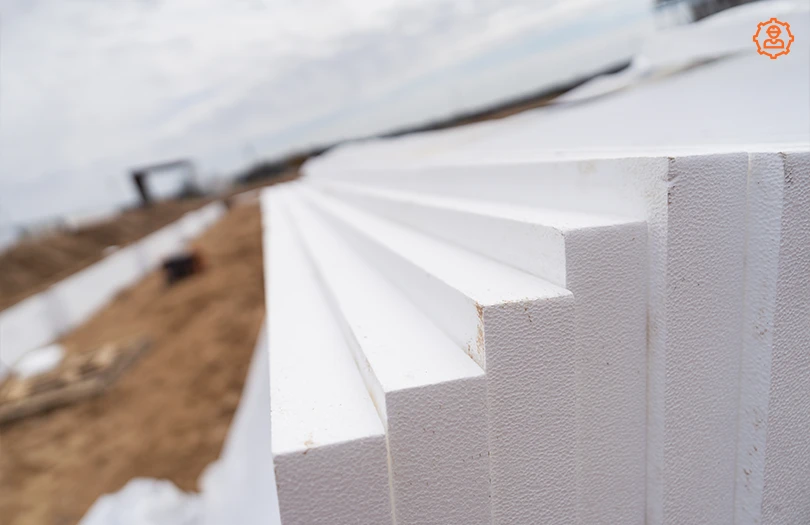
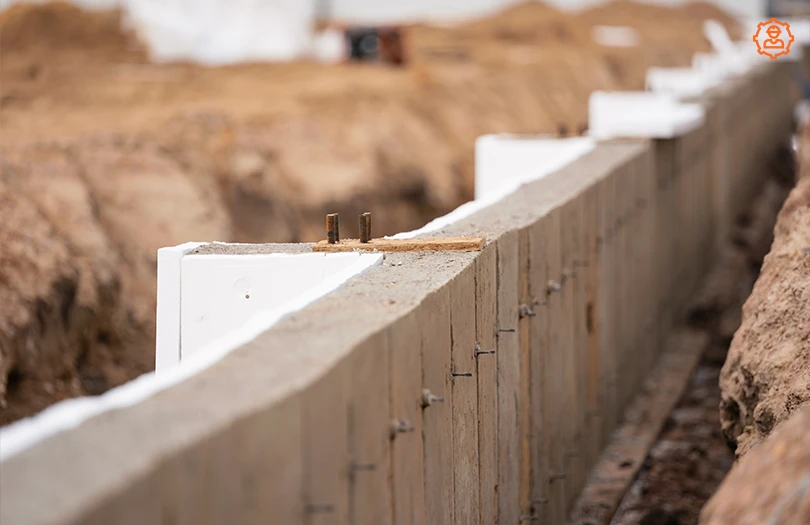
In the case of a new construction, the waterproofing of the foundation is carried out according to the technical project and its specifications. In general, it is preferred to apply the waterproofing to the outside of the foundation, using either bituminous membranes or extruded and expanded polystyrene, in combination with additional protective layers.
Foundation Waterproofing for Existing Buildings
In already constructed buildings, waterproofing can become a complex operation, especially if access to the outside of the foundation is limited. In these cases, waterproofing can also be done from the inside, using specialized materials, such as bentonite membranes. It is essential to periodically assess the condition of the foundation and apply waterproofing as soon as signs of infiltration appear.
Waterproofing Procedures
The waterproofing process may vary depending on the type of building and the materials used, but generally it follows these steps:
- Surface preparation: Before applying waterproofing, the foundation must be cleaned and any cracks or crevices must be repaired.
- Application of materials: Waterproofing materials are applied according to technical specifications. This step may involve the use of multiple layers, depending on the material chosen.
- Additional protection: After applying the waterproofing, the foundation can be additionally protected with extruded polystyrene or protective membranes, which help with thermal insulation and prevent damage to the waterproofing layer.
Costs and Financial Considerations
Costs for foundation waterproofing vary depending on several factors, including:
- Foundation surface: The larger the surface area, the higher the costs.
- Material type: Higher-performance materials, such as bituminous or liquid membranes, have higher costs but offer a longer lifespan.
- Ground conditions: If the land is prone to water accumulation or there is high hydrological pressure, it will be necessary to use more complex solutions.
In general, it is recommended to call a specialized company for this work, as faulty waterproofing can lead to major problems in the long term.
Conclusion
Foundation waterproofing is a critical step in any construction project, ensuring structural protection, occupant comfort and health, and increased building durability. Investing in the right waterproofing materials and techniques will pay off in the long run, avoiding the high costs associated with later repairs.
Protect your foundation with professional solutions from APOLODOR BUSINESS CONSTRUCTION!
Avoid problems caused by water infiltration and ensure the durability of your building with the help of our experts. We offer complete foundation waterproofing services, tailored to your needs, using high-quality materials and modern technologies.
CONTACT US TODAY
for a free evaluation and a personalized plan!


