


Block Terrace Waterproofing – Methods, Advantages and Costs
Apartment buildings are a popular and convenient property solution for many people. However, to ensure the comfort of the residents, especially those on the top floor, it is crucial to maintain the structure of these buildings in optimal condition. An essential aspect in this regard is the waterproofing of terraces. Without proper waterproofing, there is a risk of water seeping in, damaging both the floor and the structure of the building. This article details the waterproofing process, its importance, as well as the steps necessary to achieve a durable and efficient result.
What does waterproofing a building's terrace mean?
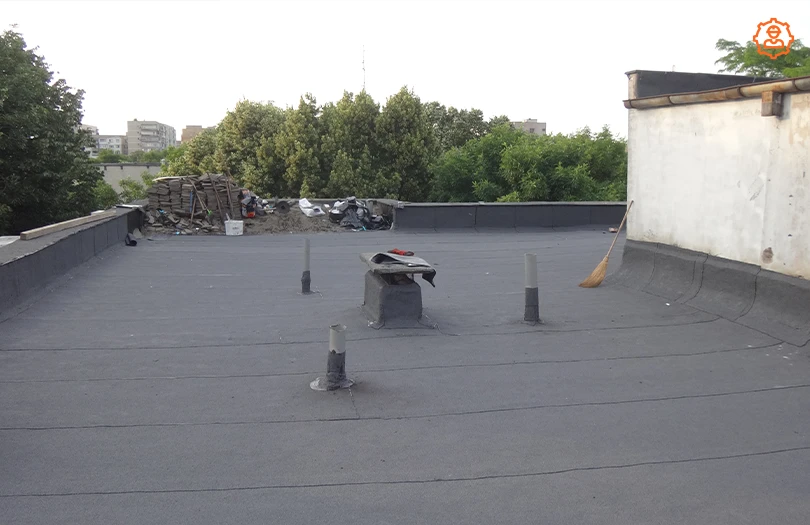
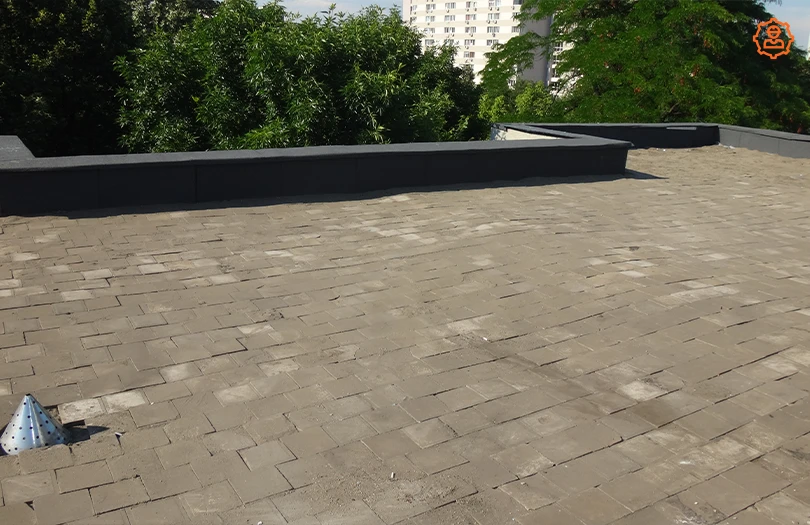
Waterproofing a terrace of a block of flats refers to the application of materials and techniques that prevent water and moisture from penetrating the building's structural strength. Usually, damage to the waterproofing occurs over time, and necessary repairs should not be postponed. Without effective waterproofing, the ceiling and walls of the top floor apartments are the first to be affected, but in severe cases, leaks can also affect the lower floors.
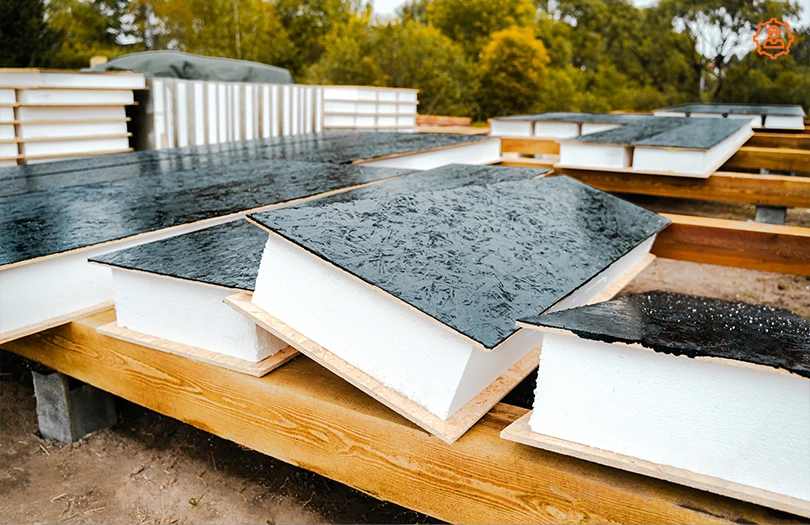
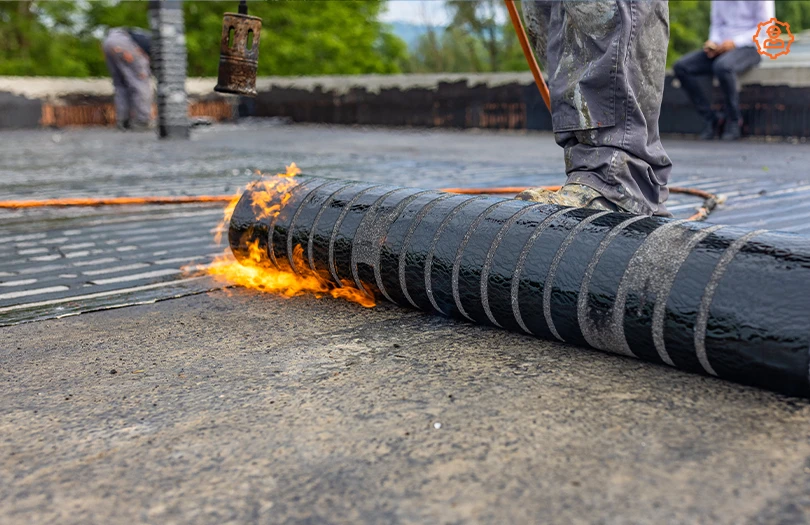
Among the advantages of carrying out this work are:
- Tenants comfort, especially those on the top floor.
- Improving hygiene conditions in the common spaces.
- Maintaining the structure of the floor and adjacent walls.
- Limiting costs for facade and stairwell maintenance.
- Increasing the value of apartments, especially in the case of sale, if the waterproofing has been recently redone.
By law, all owners in a block of flats must contribute to the costs of waterproofing works, as the benefits are felt by the entire community.
– Government Decision No. 1588/2007, Section 4, art.44 (1)
The advantages of a well-waterproofed block terrace
Modern blocks are built of durable materials, such as reinforced concrete, but regardless of their structure, exposing the terrace to the elements over time leads to the degradation of the waterproofing. A well-waterproofed terrace brings multiple advantages, including:
- Ceiling protection and side walls against infiltration.
- Eliminating unforeseen costs for further repairs.
- Cracks prevention and protecting the reinforcement from rust.
- Preservation of electrical installations under optimal conditions.
- Improving living conditions, preventing the appearance of mold and respiratory diseases.
- No need for repairs in the long term, which brings significant savings.
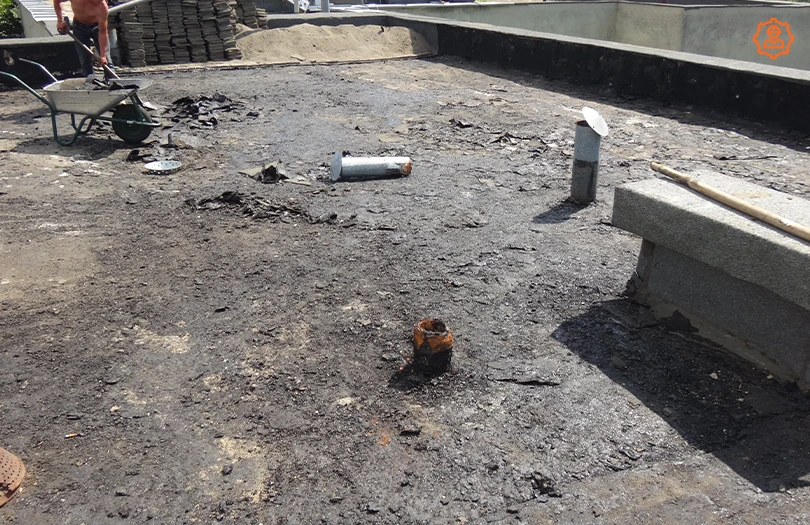
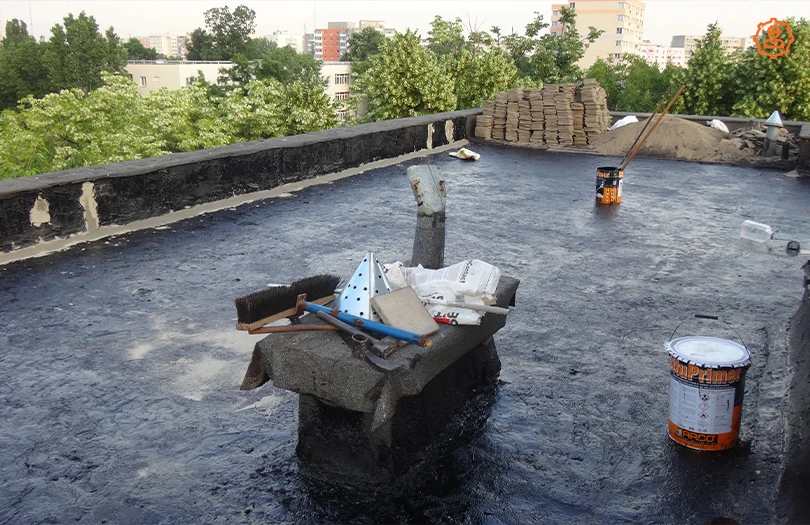
The stages of waterproofing block terraces
Waterproofing a terrace begins with a professional assessment carried out by a specialized team, which determines the current condition of the terrace and recommends the necessary solutions. The waterproofing process involves the following main steps:
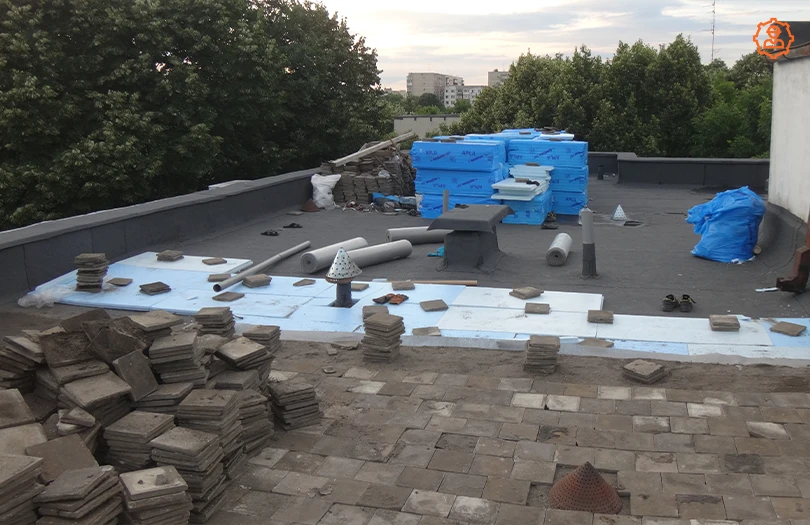
- Analysis and preparation of the work area – The terrace is inspected in detail and the old waterproofing layer is removed. The substrate must be clean, dry and free of dust before the actual work begins. Repairing cracks or structural damage is essential.
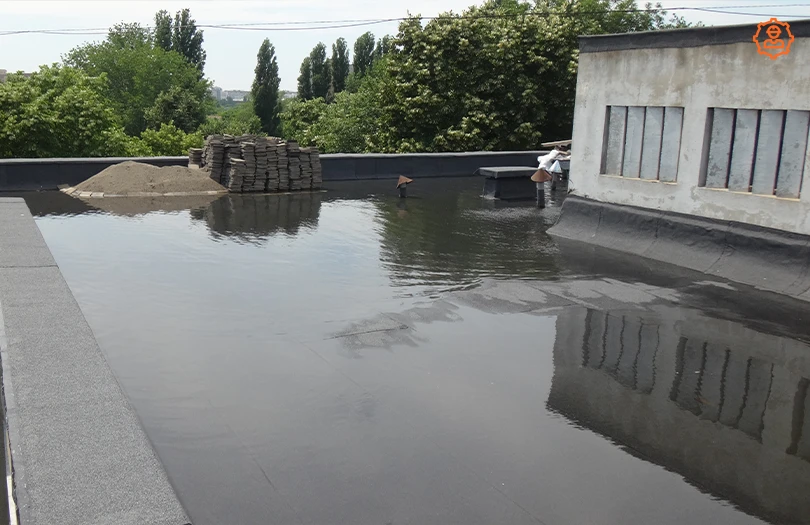
- Checking and restoring the drainage system – All drains and gutters should be checked and repaired. They play a key role in preventing water from pooling on the patio, which can lead to infiltration.
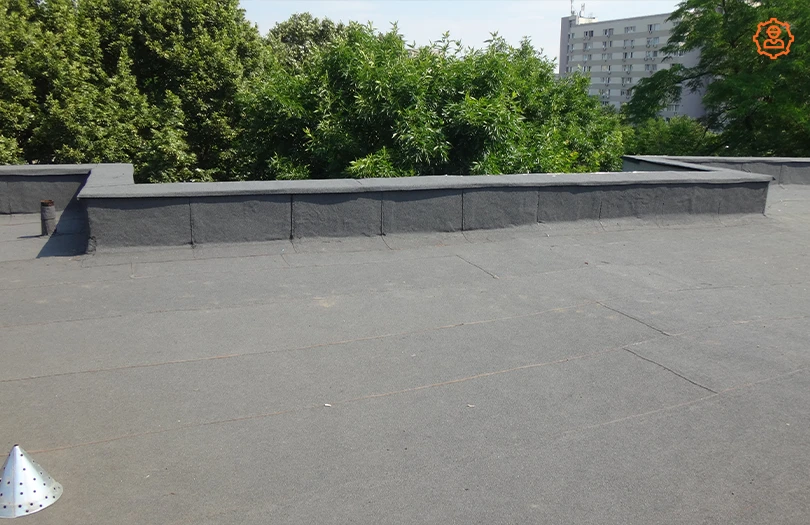
- Application of waterproofing materials – Depending on the type of terrace, one or more layers of waterproofing materials are applied, which may include bituminous membranes, PVC or polyurethane membranes.
- Waterproofing testing – After completion of the work, the terrace is tested by controlled flooding to verify the effectiveness of the waterproofing.
Materials used in waterproofing block terraces
There are several types of materials used in patio waterproofing, each with specific advantages. Choosing the right material depends on your budget, the specific conditions of the patio, and the homeowners' preferences.
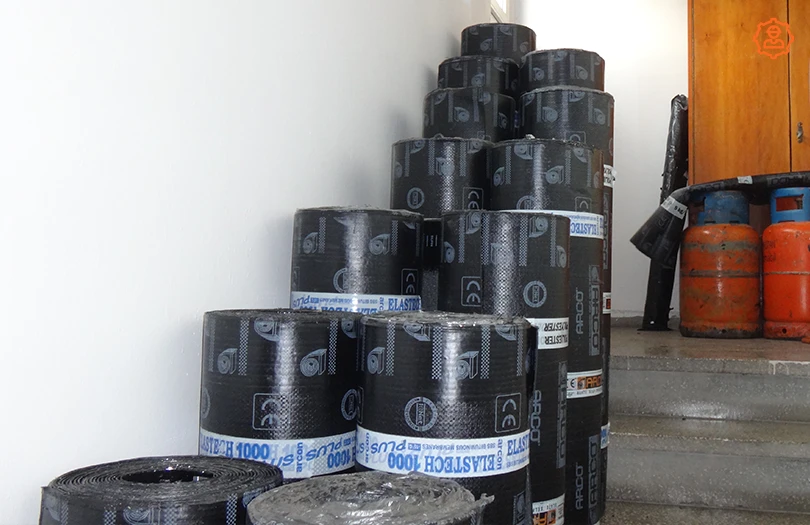
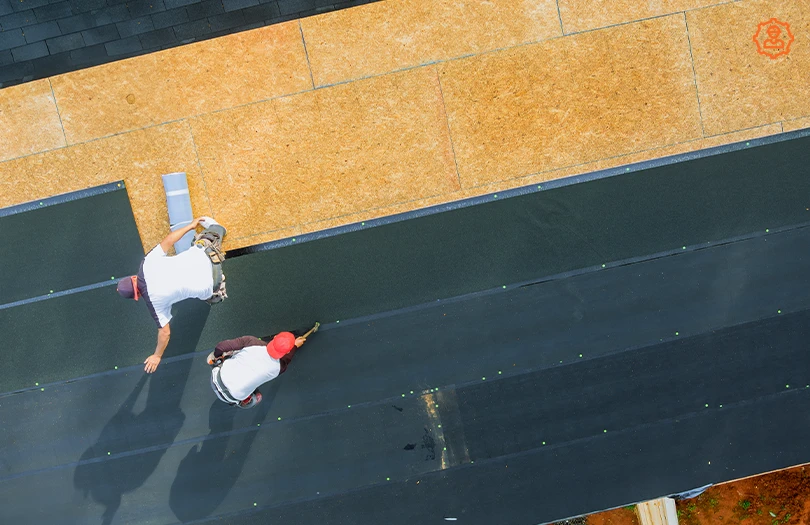
- Bituminous membrane – It is the most commonly used material due to its durability and affordable cost. The bituminous membrane is applied by melting or with special adhesives and is effective for long-term protection of non-trafficable terraces.
- PVC membrane – This is a modern and flexible solution, but also more expensive. It is mechanically fixed and heat-welded, and is recommended for terraces that have multiple installations or drains.
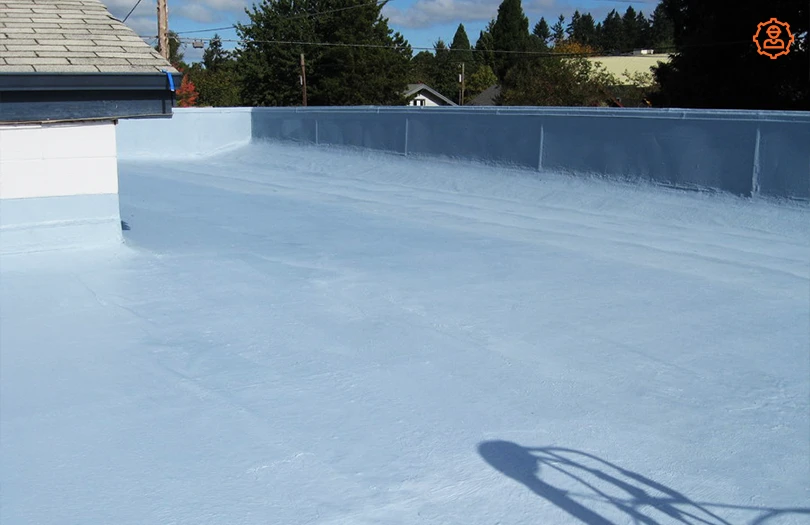
- Polyurethane membrane – Applied in liquid form, this membrane is easy to handle and provides effective waterproofing. It is ideal for trafficked terraces, but requires application in multiple layers, including an initial primer.
Costs of waterproofing block terraces
The cost of waterproofing a block terrace depends on several factors, such as:
- Terrace size – Larger areas require more material and labor.
- Terrace features – For example, the number of drains or equipment permanently mounted on the terrace can complicate the process.
- The chosen material – Bituminous membranes are more affordable, while PVC or polyurethane ones may incur additional costs.
- Completion deadline – The urgency of the work may influence the price.
To get the best value for money, it is recommended to request quotes from several companies specializing in waterproofing and analyze not only the price, but also their reputation.
Conclusion
Waterproofing the terrace of a block of flats is an essential job to ensure the comfort and safety of the tenants, as well as to protect the building structure in the long term. Choosing the right materials and collaborating with a professional company are essential steps to achieving durable and effective waterproofing.
Protect your terrace and increase the safety and comfort of your home or apartment building with professional waterproofing and thermal insulation works!
Choose the quality and durability offered by APOLODOR BUSINESS CONSTRUCTION – specialists with experience in waterproofing apartment terraces.
CONTACT US NOW
for a free evaluation and a personalized plan to protect your building!


